8 Signs Your Bathroom Waterproofing Has Failed (and What to Do Next)
Bathroom leaks are usually hidden until the damage is done. Here are the eight warning signs Sydney homeowners should never ignore — and how to fix the problem properly.
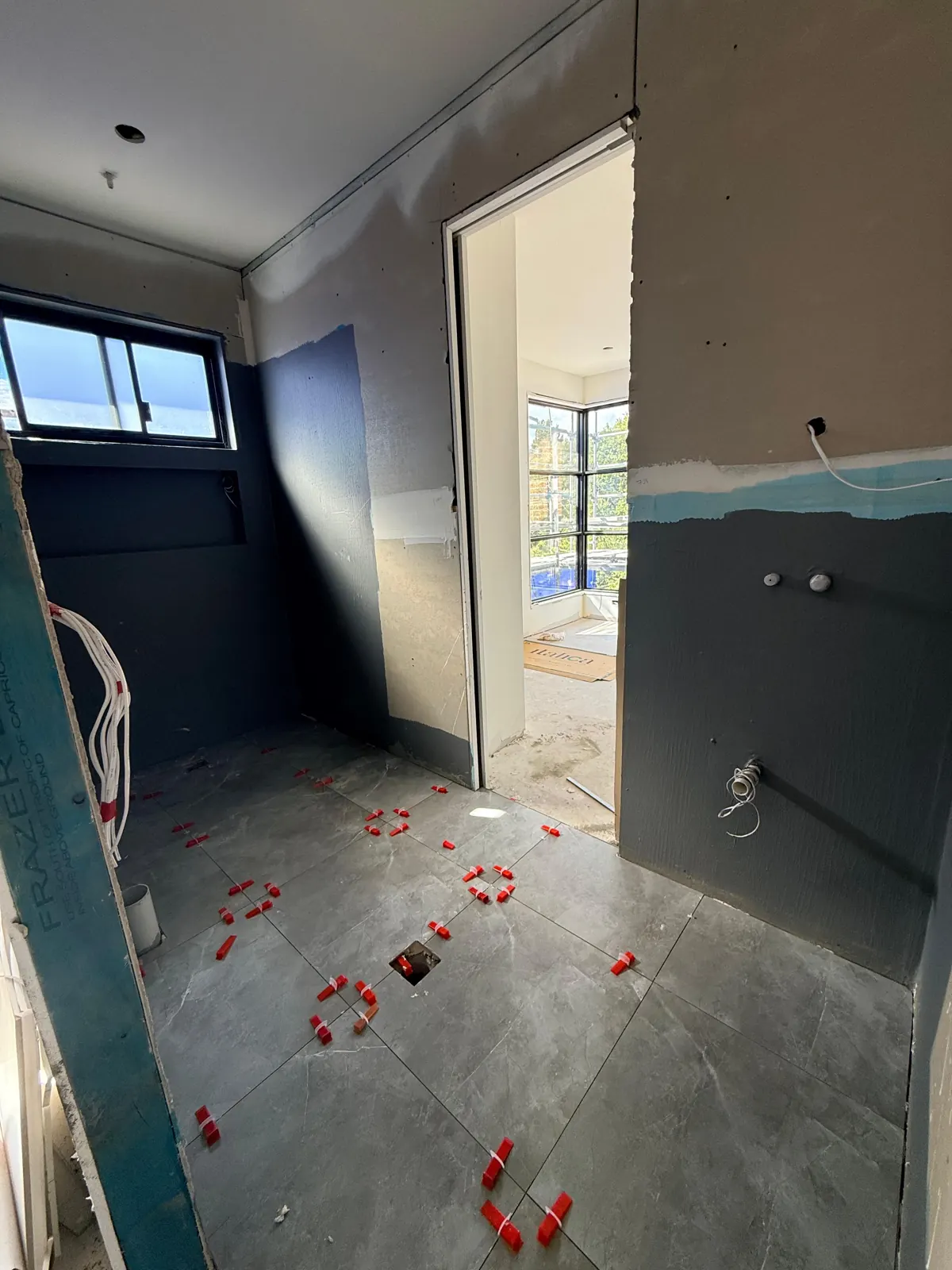
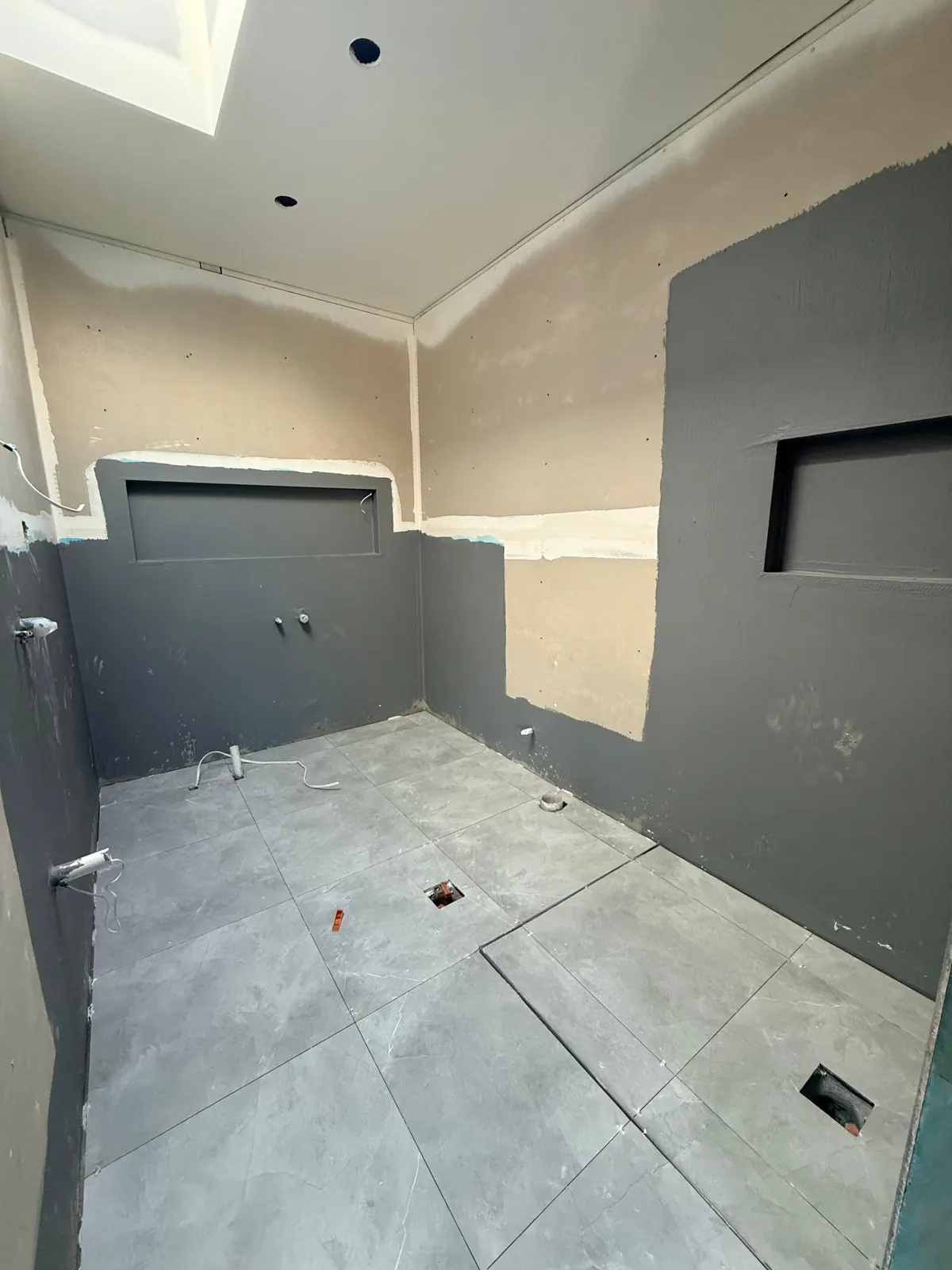
A bathroom membrane sits out of sight beneath tiles and adhesive, so most people only discover it has failed when water has already travelled into walls, floors or the ceiling below. Catching the early warning signs can save thousands of dollars in structural repairs and mould remediation.
1. Grout that keeps cracking or going black
Grout is not waterproof. Constant cracking or dark, mouldy grout often means the bedding beneath is staying wet — a classic sign that water is getting past the tiles and not being stopped by a membrane.
2. Loose or drummy tiles
Tap your floor and wall tiles with the handle of a screwdriver. A hollow "drummy" sound indicates tiles have lost adhesion, often because water has degraded the adhesive or substrate underneath.
3. Stains or bubbling paint on the ceiling below
For upstairs bathrooms, the ceiling below is the most obvious indicator. Brown rings, bubbling paint or sagging plasterboard should be investigated immediately.
4. Swollen skirting, door jambs or vanities
Timber and MDF swell when they absorb moisture. If skirting boards, door frames or vanity kickboards are puffy or peeling at the base, water is escaping the wet area.
5. A musty smell that returns
A persistent damp or musty odour, even after cleaning, usually means there is moisture trapped somewhere it shouldn't be.
6. Mould outside the shower
Some surface mould in a shower is normal in humid conditions. Mould appearing on walls outside the shower, low on walls or behind furniture in neighbouring rooms is a stronger sign of a leak.
7. Water escaping the shower area
If water pools outside the screen or runs towards the door rather than the waste, the floor falls may be incorrect — increasing stress on the membrane at the doorway.
8. Efflorescence on tiles or grout
White crystalline deposits are salts left behind as water evaporates. They show water is moving through the tile bed.
What to do next
- Stop the damage spreading — use another bathroom if possible and ventilate the area.
- Get a leak investigation — moisture mapping and isolation testing confirm the source before any demolition.
- Fix it properly — if the membrane has failed, the permanent solution is to strip back and re-waterproof to AS 3740.
- Keep the paperwork — photos and a compliance certificate are valuable for insurance and resale.
Tip: surface sealers sprayed on grout can reduce minor seepage, but they are not a waterproofing membrane and won't fix a failed system.
If you have noticed any of these signs, book a free inspection with our licensed team or read more about our bathroom waterproofing service.

Need expert advice for your property?
Our licensed team offers free inspections and fixed-price quotes across Sydney.